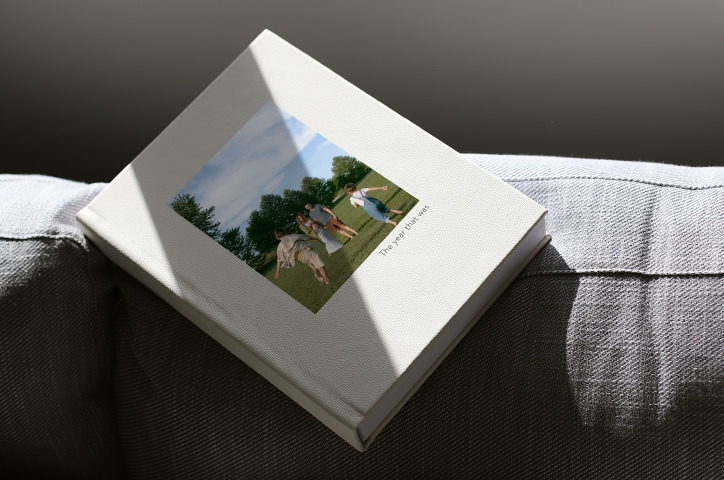
Collect your family memories to preserve in a lasting keepsake
Every family has a collection of stories that live between the photographs. The moments that explain why a photo matters, the voices that recall what was happening just outside the frame, and the memories that turn images into something deeply personal. Learning how to gather stories for a family book is an essential part of preserving your family history and precious milestones. From casual conversations and heartfelt interviews to thoughtful captions and shared memories, storytelling adds emotional depth and context to your images. Whether you’re documenting generations of family life, celebrating traditions, or capturing everyday moments, collecting these stories ensures your photo book, album or magazine feels rich, authentic, and timeless.
We’ll walk you through practical and thoughtful ways to gather family stories, interview loved ones, and write meaningful captions, so you can create a beautifully curated MILK Family Photo Book that will be treasured for generations to come.
Gather your family stories in a history-rich family keepsake
1. Start with your 'why'
2. Gather your photos
3. Capture the voices of your loved ones
4. Record every detail
5. Encourage contributions from everyone
6. Identify any themes
7. Write meaningful captions
8. Preserve stories with care & respect
9. Bring it all together

A family photo book is so much more than a collection of images, it is a living archive, a preservation of the people, places, and everyday moments that shape your family’s identity. While photos capture the visual details, the stories behind them hold the emotional depth. The way your grandmother laughed, the reason your parents moved across the country, the childhood traditions that have shaped generations, these memories breathe life into a family book in a way no image alone can. Before you begin reaching out to relatives or gathering anecdotes, take a moment to consider what kind of story you want to tell. Are you documenting a family history that spans generations? Creating a tribute to your parents or grandparents? Annually capturing memories in a yearbook? Or simply gathering a mixture of the sweet, the funny, and the meaningful moments that deserve to be remembered? Clarifying this purpose will give your project direction and make the entire process more intentional. With a clear vision, it becomes much easier to choose what stories you need, what interviews to prioritize, and how your final book will unfold.

Before collecting each special memory to use in your keepsake, start by gathering the photos themselves. Images are powerful memory triggers, and simply looking through them can unleash forgotten details, emotions, and anecdotes. Spread printed photos out on a table or floor - a great way to physically explore all you've shared together, as well as creating a nice moment for connection with your family. Sort them loosely by theme, year, or milestone, whichever structure best fits your project. You may begin to notice gaps where you want additional stories or specific moments that you want to dig deeper into. A photograph of your grandfather at the beach might prompt a story about the summer he learned to swim, or a picture from a childhood birthday party might lead to a tale of the homemade cake your mom burned three times before getting it right. Sorting all your photos first not only helps you establish a narrative direction but also provides natural prompts for conversation. When you later speak with family members, these images will jog their memories and help them recall details you may never have heard before.
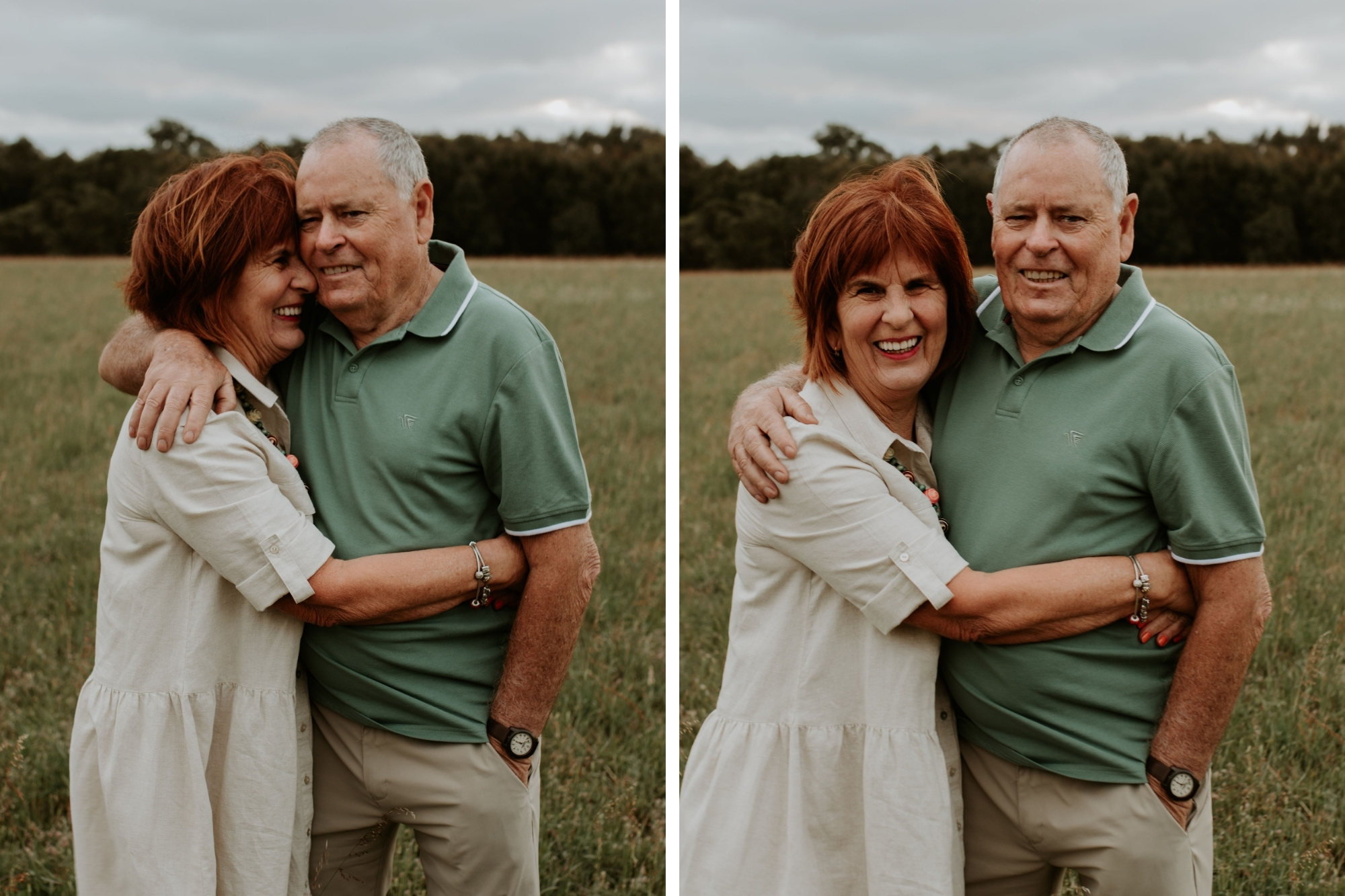
Interviewing relatives is the heart of gathering meaningful stories for your family photo book. Photos may spark memories, but conversations bring them to life. Speaking with relatives, whether parents, grandparents, siblings, aunts, uncles, cousins, or longtime family friends, helps you uncover the richness behind your shared history. These conversations can be held over the phone, in person, or over video chat, whatever feels most natural. It’s helpful to set aside dedicated time for these talks so that neither you nor your relative feels rushed. Use photos as prompts to guide the conversation but also allow space for spontaneous stories and tangents; often, the best material comes from unplanned moments of reflection.
Open-ended questions lead to the richest and most authentic stories. For childhood memories, ask what their home was like, what traditions they remember, or what foods remind them of growing up. To capture daily life, ask what made them laugh, what chores they loved or avoided, or what local places they remember visiting. To capture the super important moments, ask about wedding days, life-changing decisions, or their proudest accomplishments. When discussing photos specifically, ask what was happening in the moment, who took the photo, or what small detail in the background holds meaning. These kinds of questions allow relatives to share deep, emotional, and often surprising stories that add dimension and personality to your book.
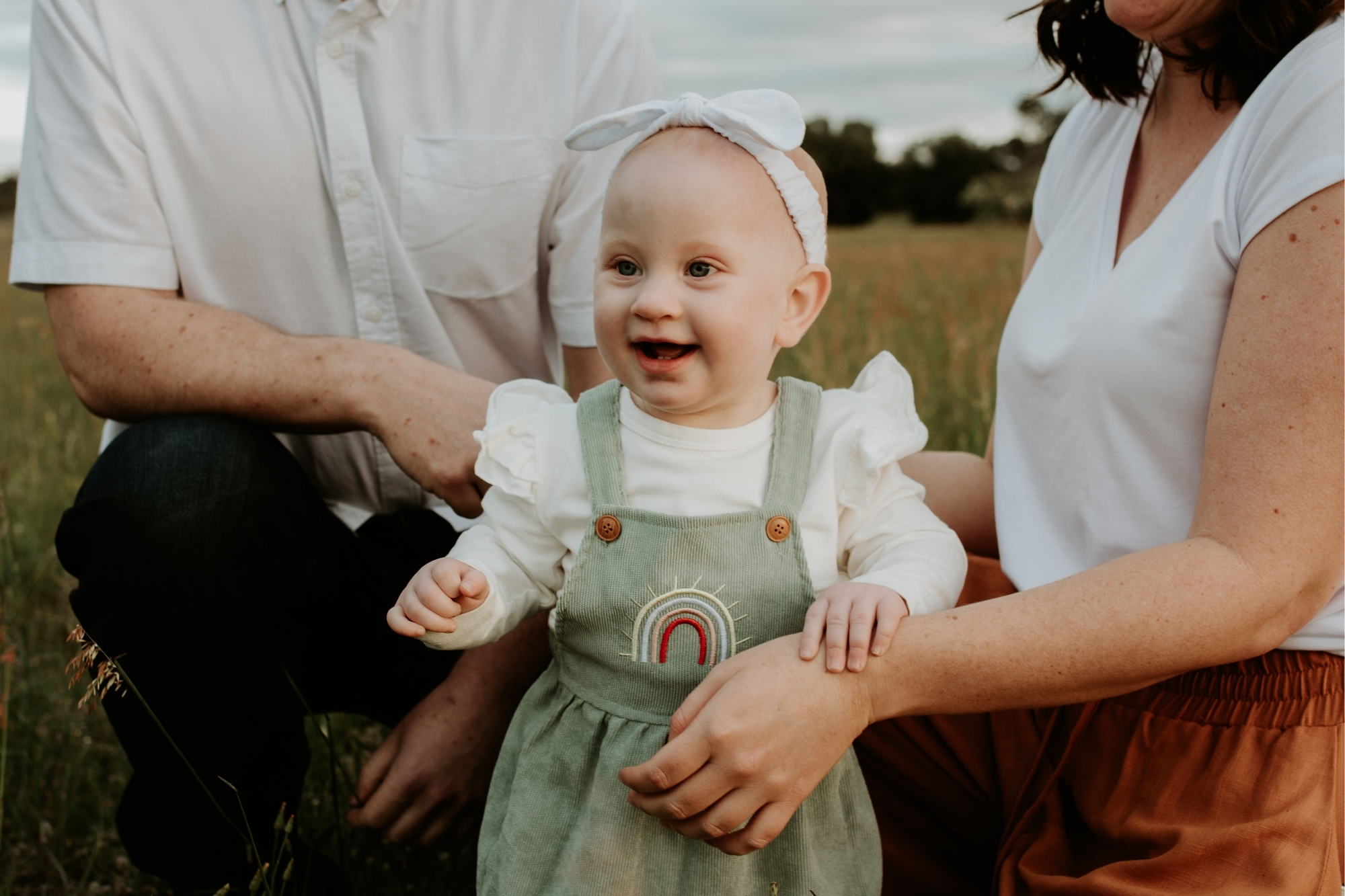
When you're collecting stories from loved ones, record as much as you can. Use your phone’s voice memo app, video recordings, or even handwritten notes if needed. Recordings preserve the tone of someone’s voice, their laughter, and the way they naturally tell a story. You can even take a photo of the 'photo sorting' occasion itself to capture special candid photos! Later, when you transcribe or summarize the stories, you’ll be able to capture their authentic voice in your writing. Save your recordings in a clearly labeled digital folder with the relative’s name and date. These captured voices become precious archives on their own. Even though audio isn't used in your family photo album, these recordings will remain invaluable family keepsakes for years to come.
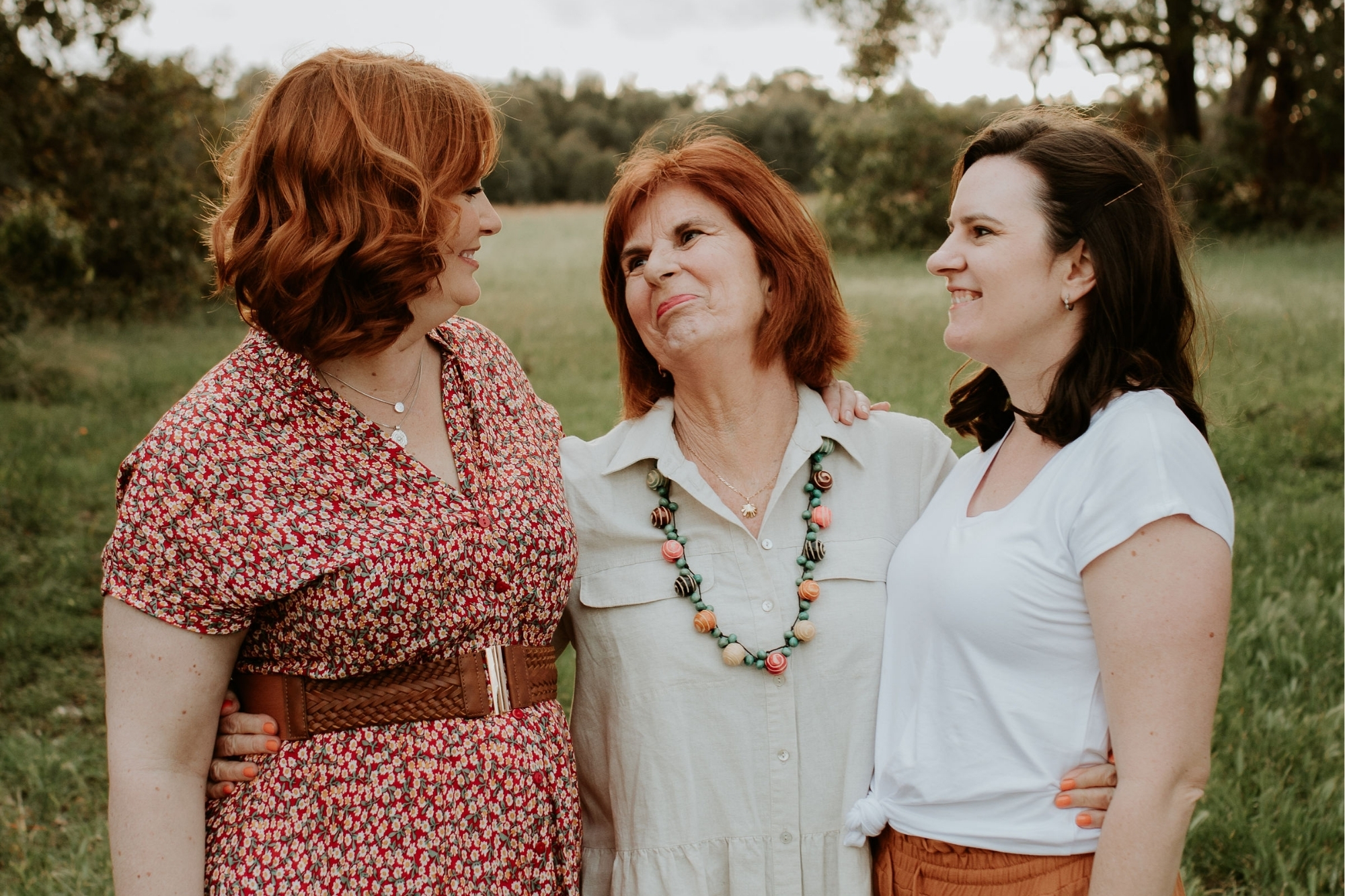
A family story book becomes richer and more vibrant when multiple voices contribute to it. Encourage your relatives to share their own memories, written reflections, voice notes, or even old letters and recipes that hold sentimental value. If your family is large, consider creating a shared digital folder where people can upload stories or memories at their own convenience. Provide prompts or specific requests to make it easier for everyone to participate, ask for a beloved childhood memory, a meaningful tradition, or a story that they think belongs in your family’s narrative. Even small contributions can add emotional depth. Handwritten notes, personal jokes, or family sayings bring authenticity to your book. When multiple voices come together, your photo book becomes a collective masterpiece that reflects the diverse experiences within your family.
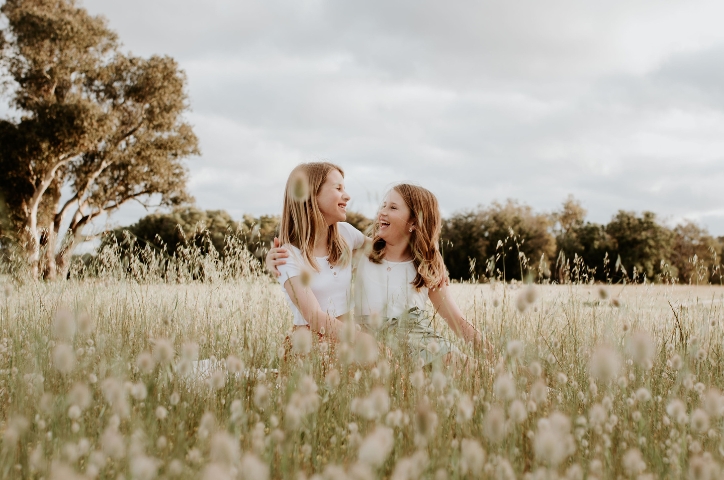
As you gather stories and photos, certain themes will begin to emerge naturally. These themes can guide the structure of your photo book, giving it rhythm and cohesiveness. Common themes might include childhood memories, family traditions, stories of vacations or migration, love stories, destination holidays, or big life changes. Sorting your family book by theme helps you arrange memories in a way that feels intuitive and meaningful. It also ensures that your book of family stories flows smoothly from one chapter or section to another. A thematic structure allows the stories to build upon each other and creates a more impactful reading experience for anyone who picks it up in the future.
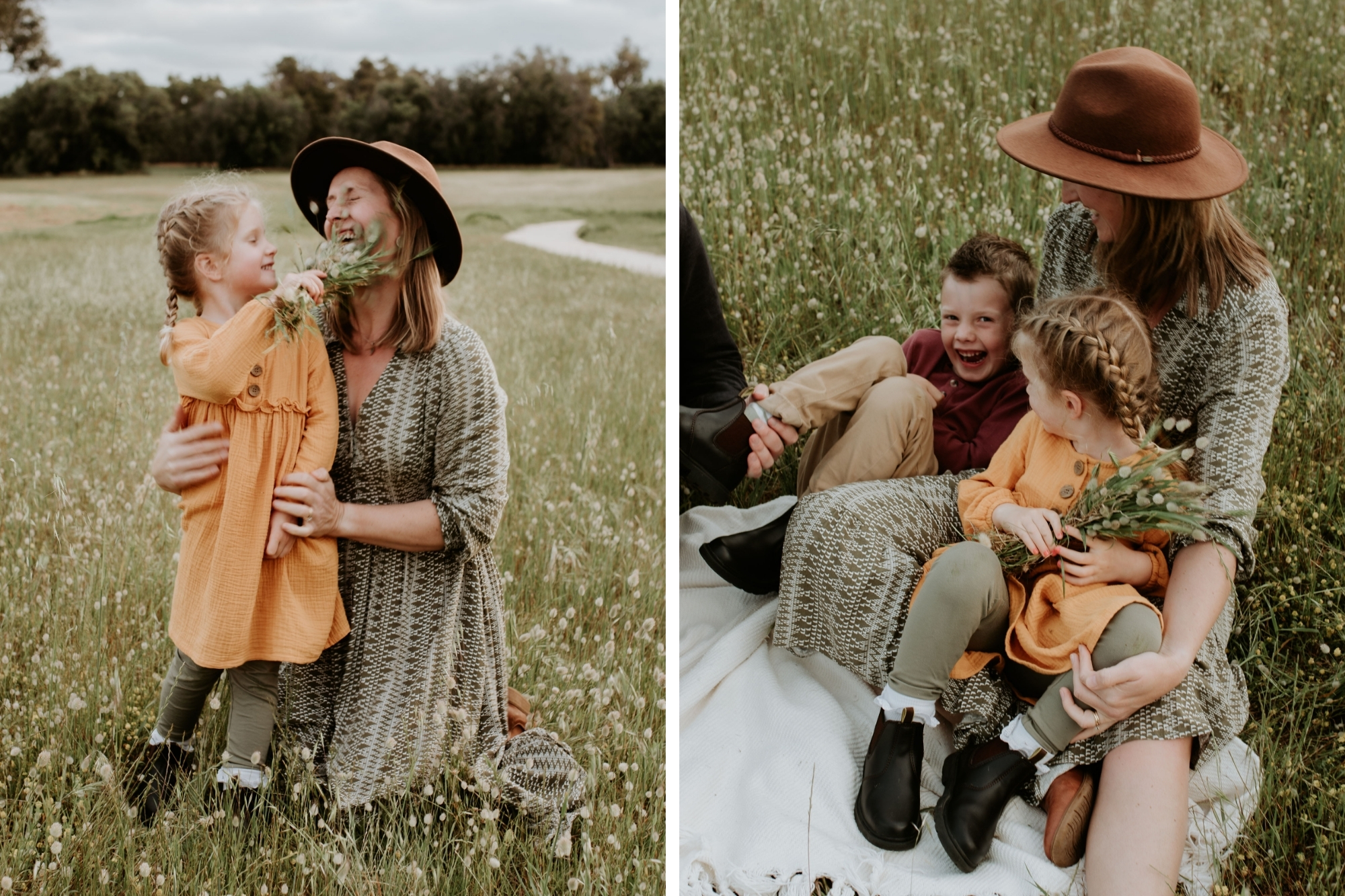
Captions are one of the most important elements of your family photo book, because they connect the visual with the emotional. While photos show what happened, captions reveal why it mattered. When writing captions, focus on emotion, context, and small sensory details that help paint a picture. Avoid overly literal descriptions. Instead of writing “Family at the beach,” describe the atmosphere or memory: “Mom laughing after Dad told one of his famous summer jokes, sunburned, happy, and completely carefree.” Use quotes from interviews to bring authenticity, include anecdotes that offer deeper context, and keep the tone warm and natural. Captions don’t need to be long. Sometimes a short, heartfelt sentence is all it takes to bring a moment to life.
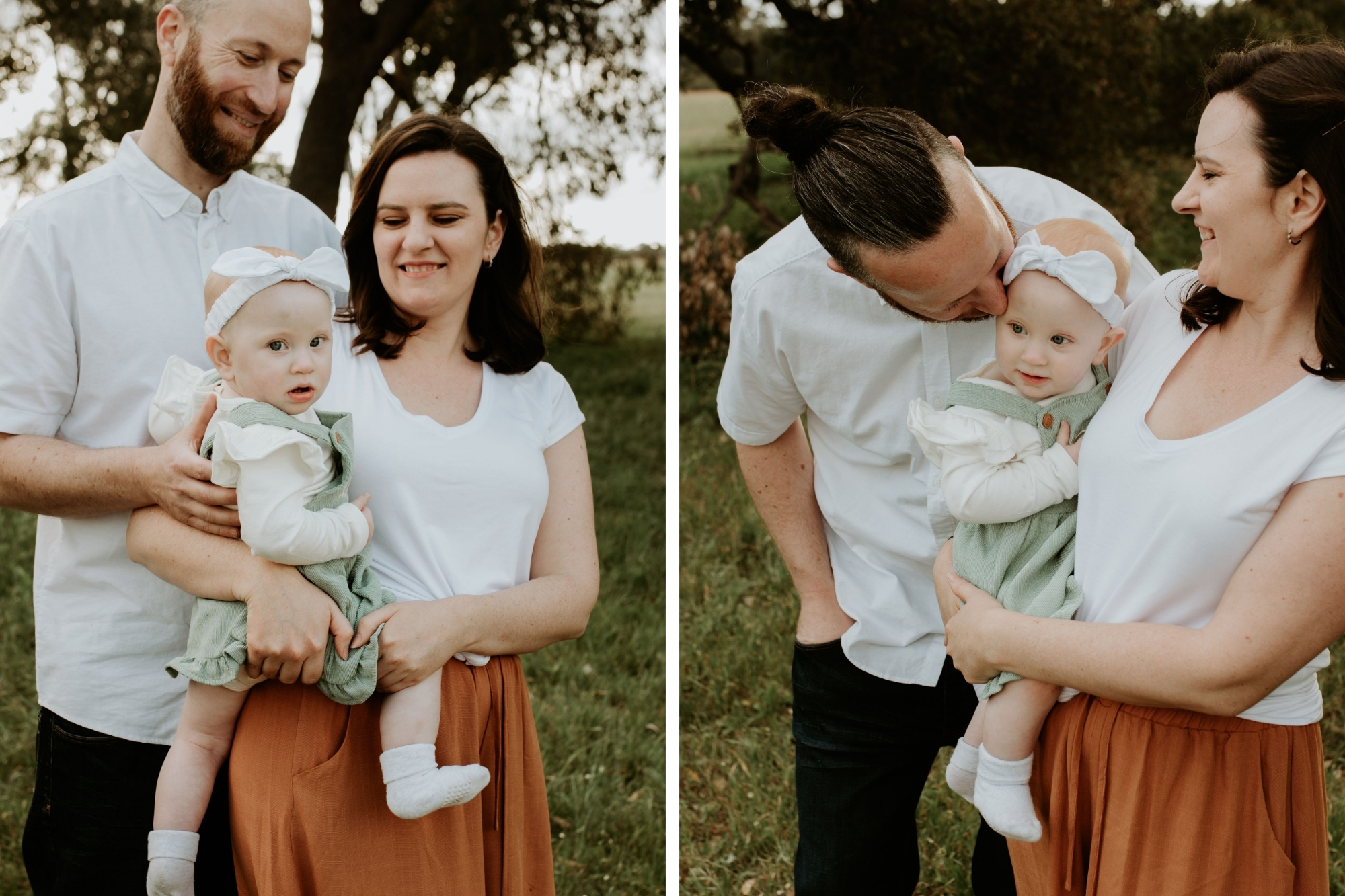
Family memories can be tender and deeply personal. Approach every story with sensitivity and care. When retelling memories from family photos, try to stay true to the voice of the person who shared them. Use their own words, when possible, especially for quotes or defining moments. Handle difficult memories respectfully and avoid adding embellishments that change the meaning or tone of the story. Your goal is to preserve your family’s truth in a way that honors each person’s perspective. Authenticity is what makes a family photo book timeless and meaningful for generations to come.

Now that you’ve collected your family photos, stories, and personal interviews, it’s time to bring everything together in a beautifully designed MILK Photo Book. MILK’s intuitive Design Studio makes it easy to combine images with text, create themed chapters, feature quotes from relatives, and design a book that feels both modern and nostalgic. You can pair childhood photos with handwritten memories, place interview excerpts alongside portraits, or include scanned letters or recipes as special visual elements. Your family photo book will become a legacy that can be passed down through generations.
Families grow and change. People age. Memories fade faster than we expect. By gathering stories now, while voices are strong and details are clear, you’re preserving something priceless. Your family book should offer comfort, connection, and continuity every time you flip through it. Turning your family’s stories into a book ensures they’ll be cherished, revisited, and shared long after the memories themselves begin to blur.
A MILK Photo Book, Album or Magazine is the ideal home for your family storytelling. With premium materials, archival-quality printing, and beautifully custom Designer Templates, MILK provides the perfect canvas for your memories. Your family’s stories deserve to be preserved in a way that feels elegant, meaningful, and lasting. A family heirloom with MILK ensures they will be.