A floral designer’s perspective on the next era of weddings
Floral design plays an important role in shaping the atmosphere of a wedding. Beyond decoration, flowers influence how a space feels and how moments unfold throughout the day. As weddings evolve, florals are moving away from familiar formulas toward more thoughtful and expressive compositions.
Flowers often become the visual thread that connects every part of a celebration. From ceremony installations and aisle arrangements to reception tablescapes and quieter botanical details, they guide how guests move through a space and experience the day. They also shape how a wedding is remembered through photography, adding depth and texture to the images couples return to for years to come.
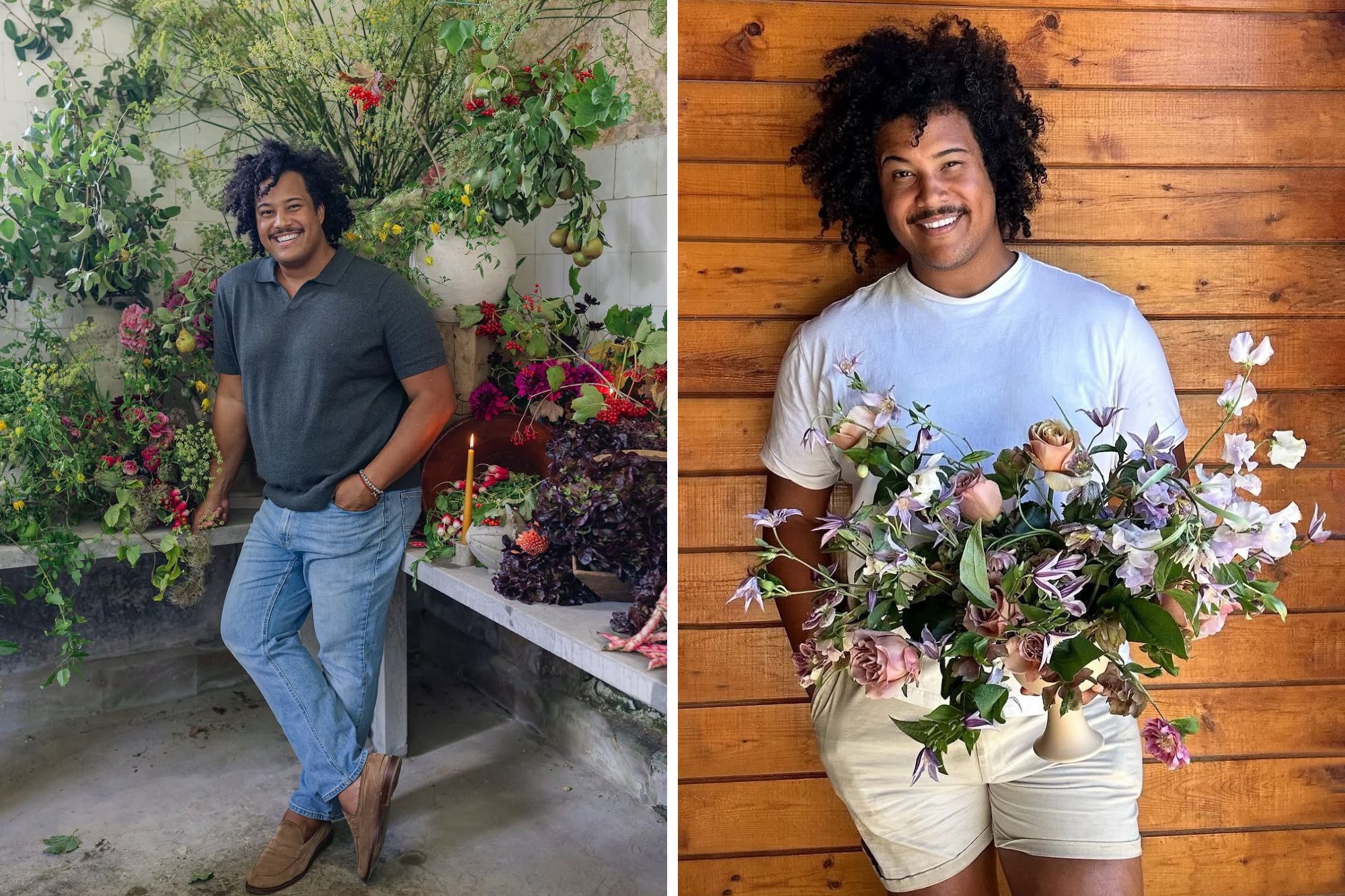
To explore what lies ahead, we spoke with floral designer Shean Strong, whose work is known for sculptural forms, refined hues and architectural installations. In this conversation, Shean shares where he is finding inspiration for 2026, the design eras he hopes to see reinterpreted, and why color, contrast and thoughtful fabrication will play a defining role in the weddings of the year ahead.
Q & A with Shean Strong
1. Where are you personally drawing inspiration from in 2026?
2. What past floral trends or design eras would you love to see reinterpreted for 2026 weddings?
3. What trends should be left in 2025?
4. Can you tell us one bold floral decision you wish more couples felt confident enough to make?
5. How do you see innovation, celebration, and contrast shaping your floral design in 2026?
6. What botanical varieties or textures do you anticipate being at the forefront of 2026 weddings?
7. What excites you the most creatively about this year’s wedding season?
8. If you were to define your 2026 floral trend predictions in three words, what would they be?
Oddly specific, but I am completely enamored with Jonathan Anderson’s interpretation of Dior couture right now. There is something deeply intelligent about how he calls designs back from the archives while filtering them through his own honest aesthetic. The work feels referential, but never derivative. It is anchored in Dior’s history while clearly belonging to this moment.
I am looking at flowers in the same way. Similar silhouettes have existed for centuries. The question is not how to invent something entirely new, but how to reinterpret what has been done in a way that feels fresh. Reinventing combinations, reworking proportion, shifting color stories. Taking something familiar and making it feel unmistakably current is an exciting challenge for 2026.
2. What past floral trends or design eras would you love to see reinterpreted for 2026 weddings?
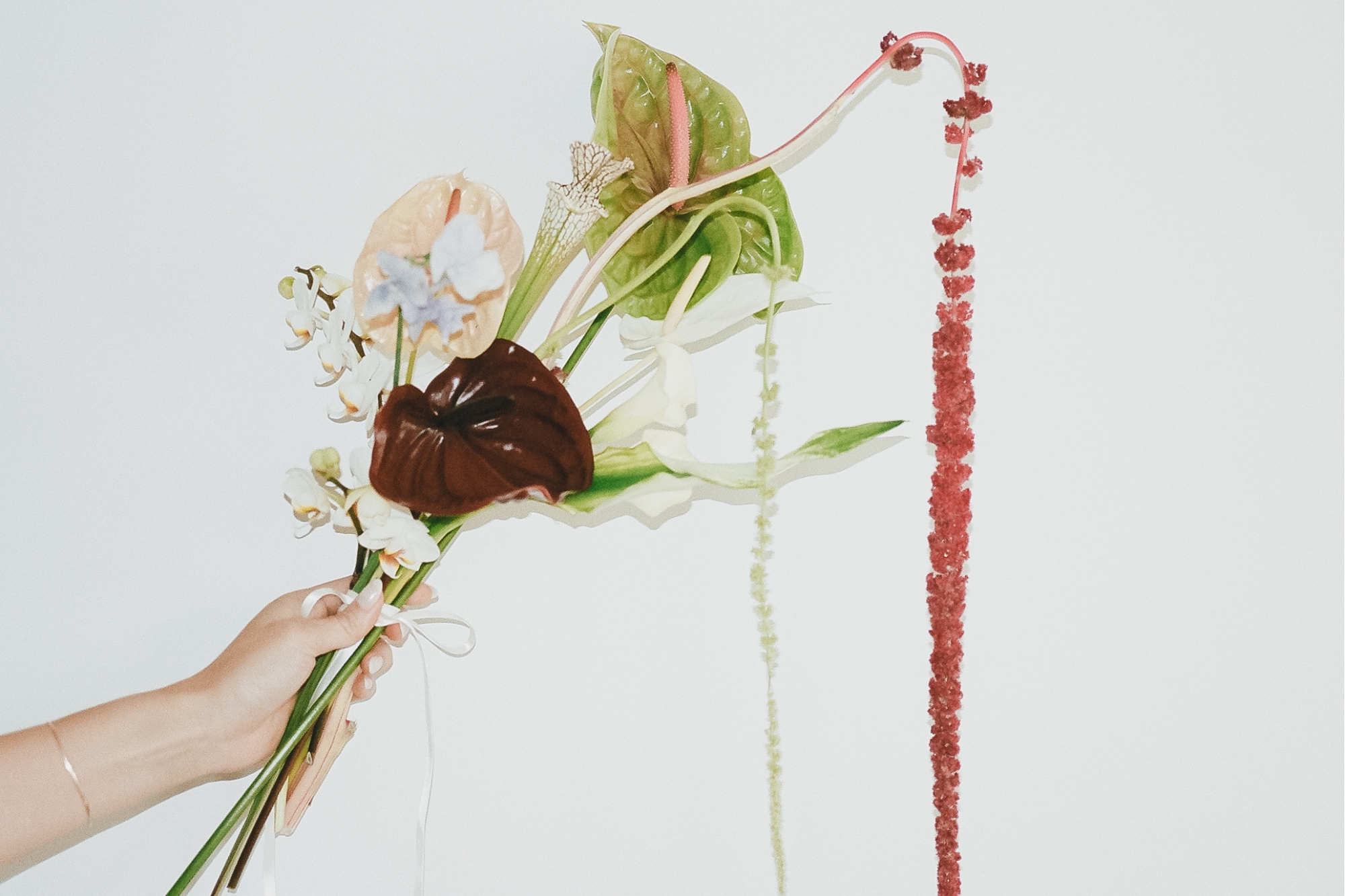
Photo credit: Madison Maltby
I think structure is going to move to the forefront. For years, overly curated garden styles have dominated. While beautiful, many of them have started to feel forced and contrived.
What interests me now is seeing designers challenge that softness with intention. How do we reintroduce structure without losing romance? How do we take forms that once felt rigid or traditional and reinterpret them with restraint and clarity? There is opportunity in revisiting older design frameworks and giving them new life through scale, negative space, and unexpected pairings.
Minimalism. True minimalism requires extraordinary discipline in proportion, material quality, and scale. When those elements are not perfectly balanced, it can quickly feel sparse rather than intentional. I think couples are ready for spaces that feel more layered and emotionally expressive.
4. Can you tell us one bold floral decision you wish more couples felt confident enough to make?
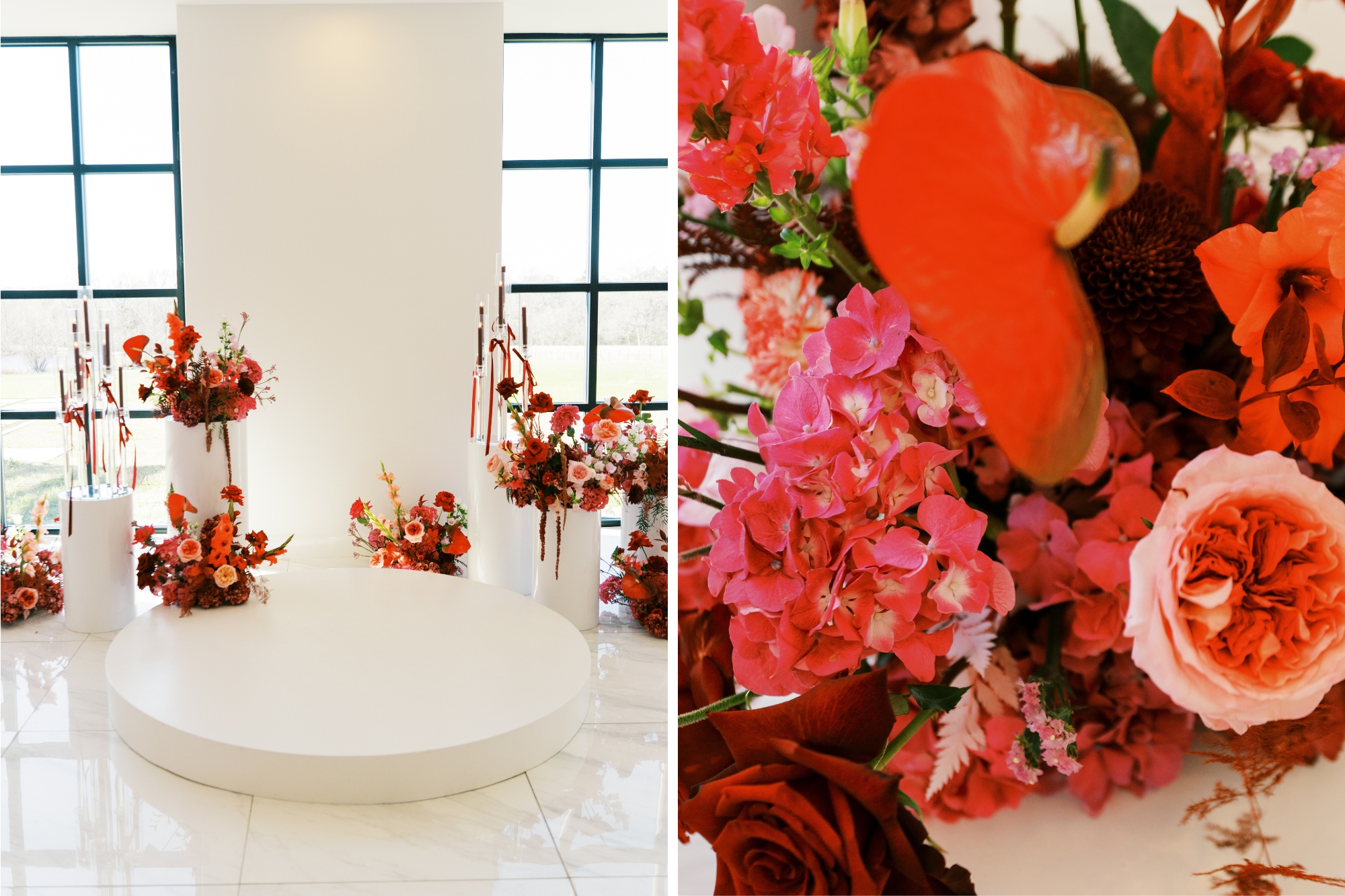
Photo credit: Lane Parker Weddings
Color.
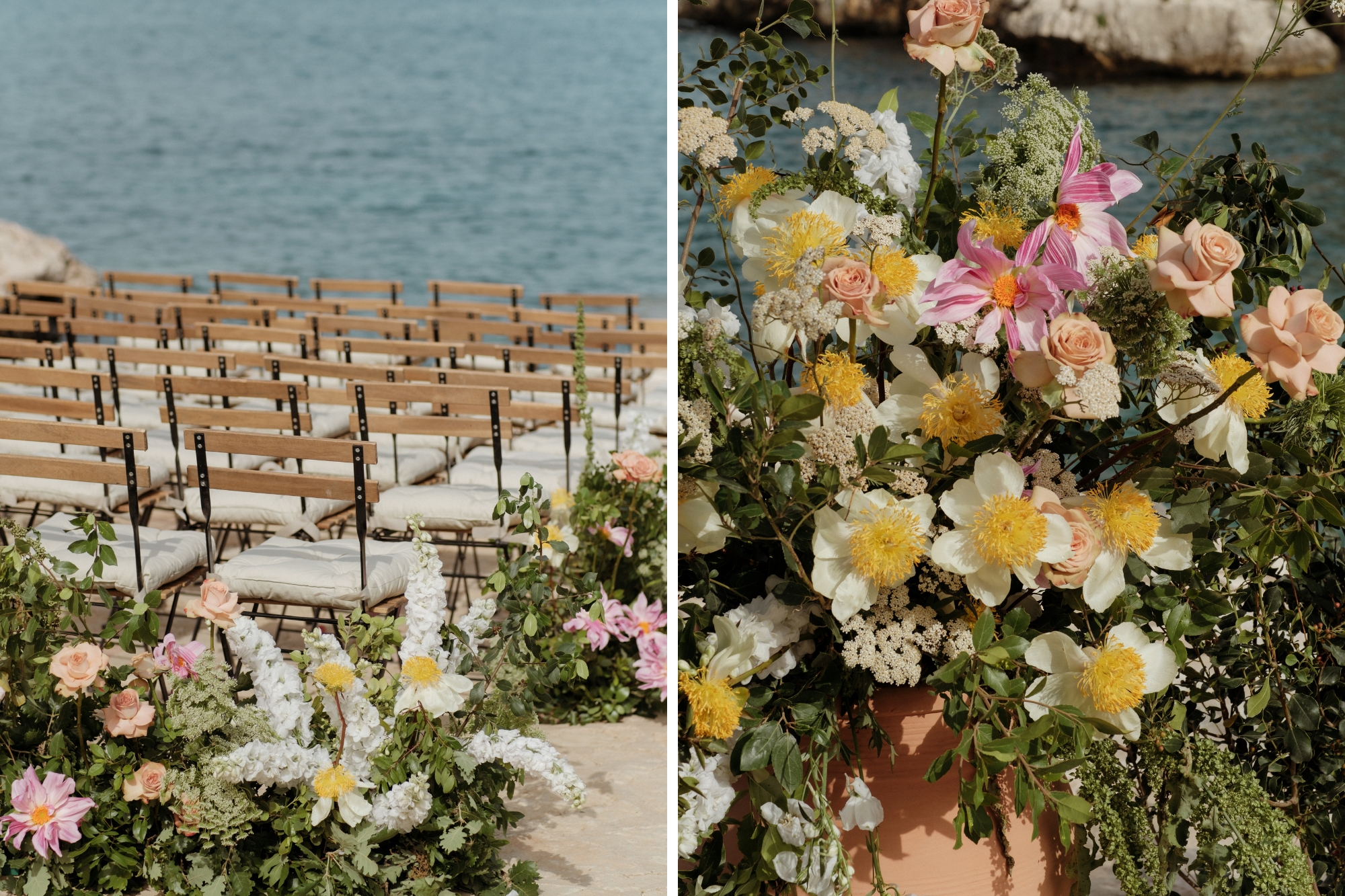
I am grateful for clients who allow me to work in color. There is a strong cultural fixation right now on the idea of “old money,” and it is often interpreted as stagnant, neutral, or entirely white. I believe the opposite. Bringing color into an event creates energy, dimension, and life. It makes a space feel inhabited rather than staged.
Color is emotional. It photographs beautifully. And when done with discipline, it feels timeless rather than trendy.
5. How do you see innovation, celebration, and contrast shaping your floral design in 2026?
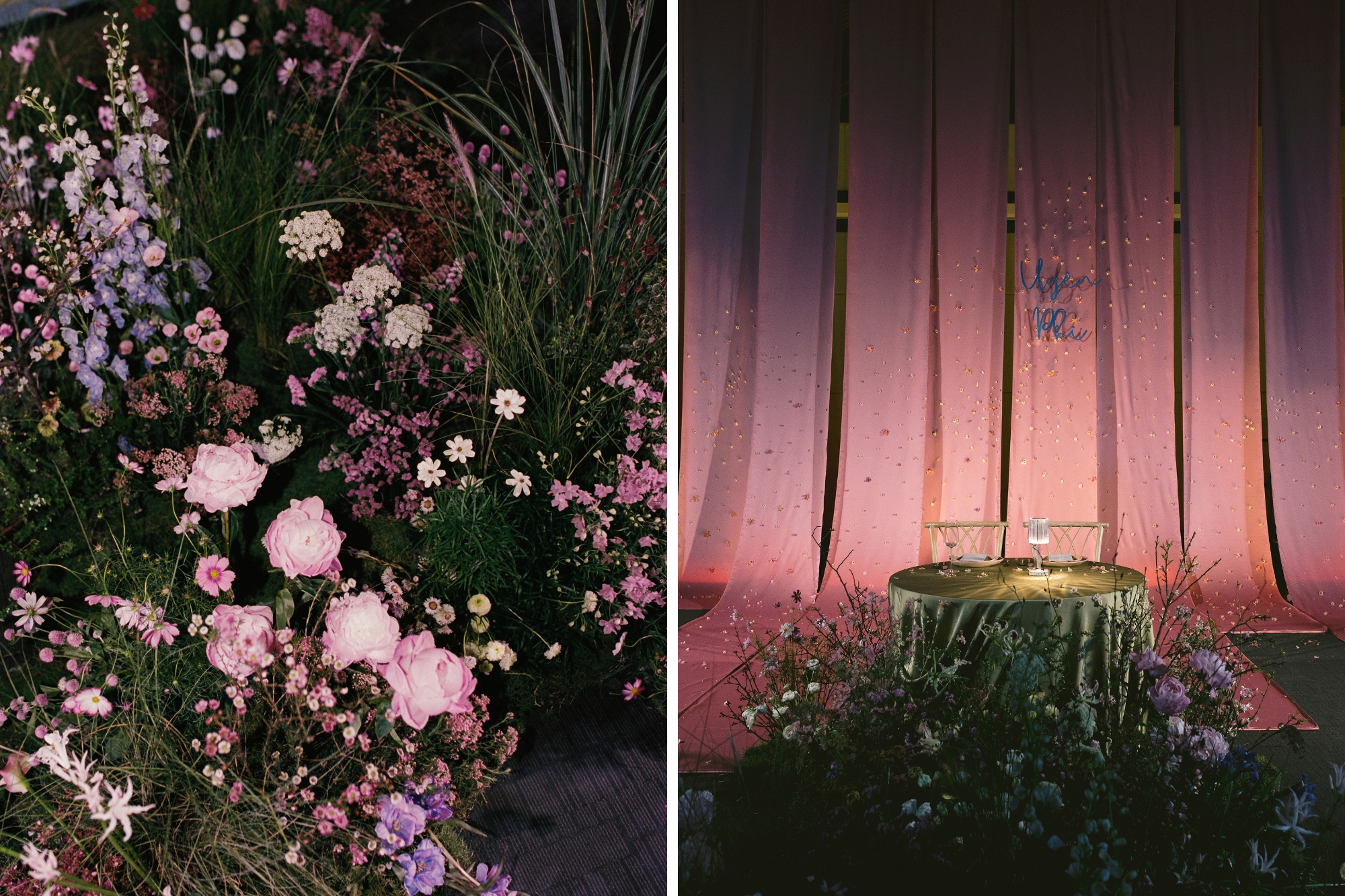
Photo credit: Uyen Dam
Innovation for me is less about novelty and more about refinement. It is about pushing fabrication, scale, and mechanics so that installations feel architectural rather than decorative.
Celebration is returning in a strong way. Couples want experiences that feel immersive and generous. Florals will not simply sit on tables. They will frame movement, guide perspective, and shape how a guest experiences a space.
Contrast is essential. Soft against structured. Matte beside gloss. Dense florals paired with intentional negative space. That tension is what creates visual interest and emotional impact.
6. What botanical varieties or textures do you anticipate being at the forefront of 2026 weddings?
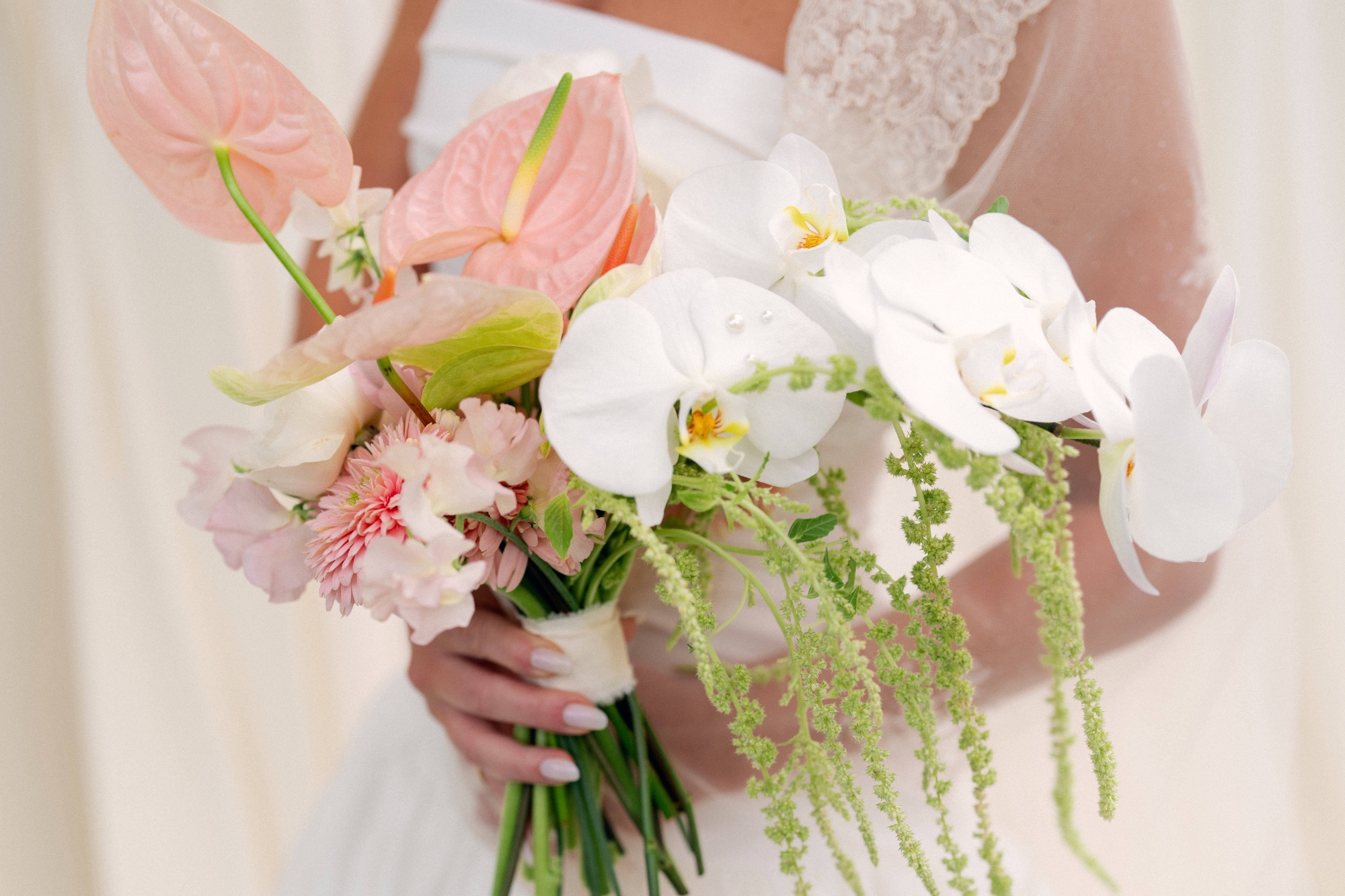
Photo credit: Karla Garcia Costa
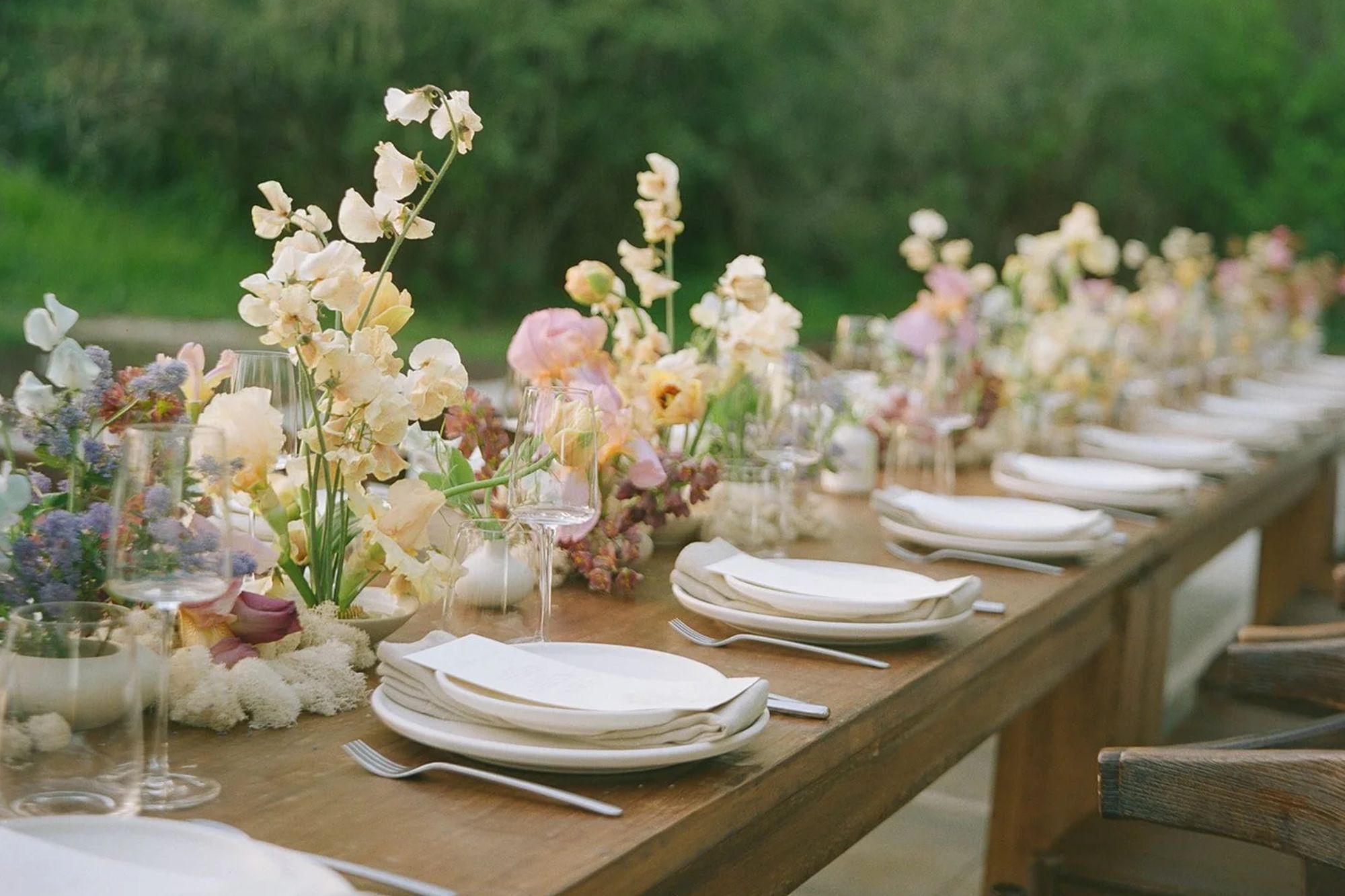
I anticipate a return to sculptural blooms and tactile materials. Anemones with strong centers. Garden roses with exaggerated petal structure. Orchids used in a more directional way. Unexpected foliage that brings movement rather than filler.
Texture will matter more than quantity. Clients are responding to materials that feel intentional and dimensional rather than overly abundant for the sake of excess.
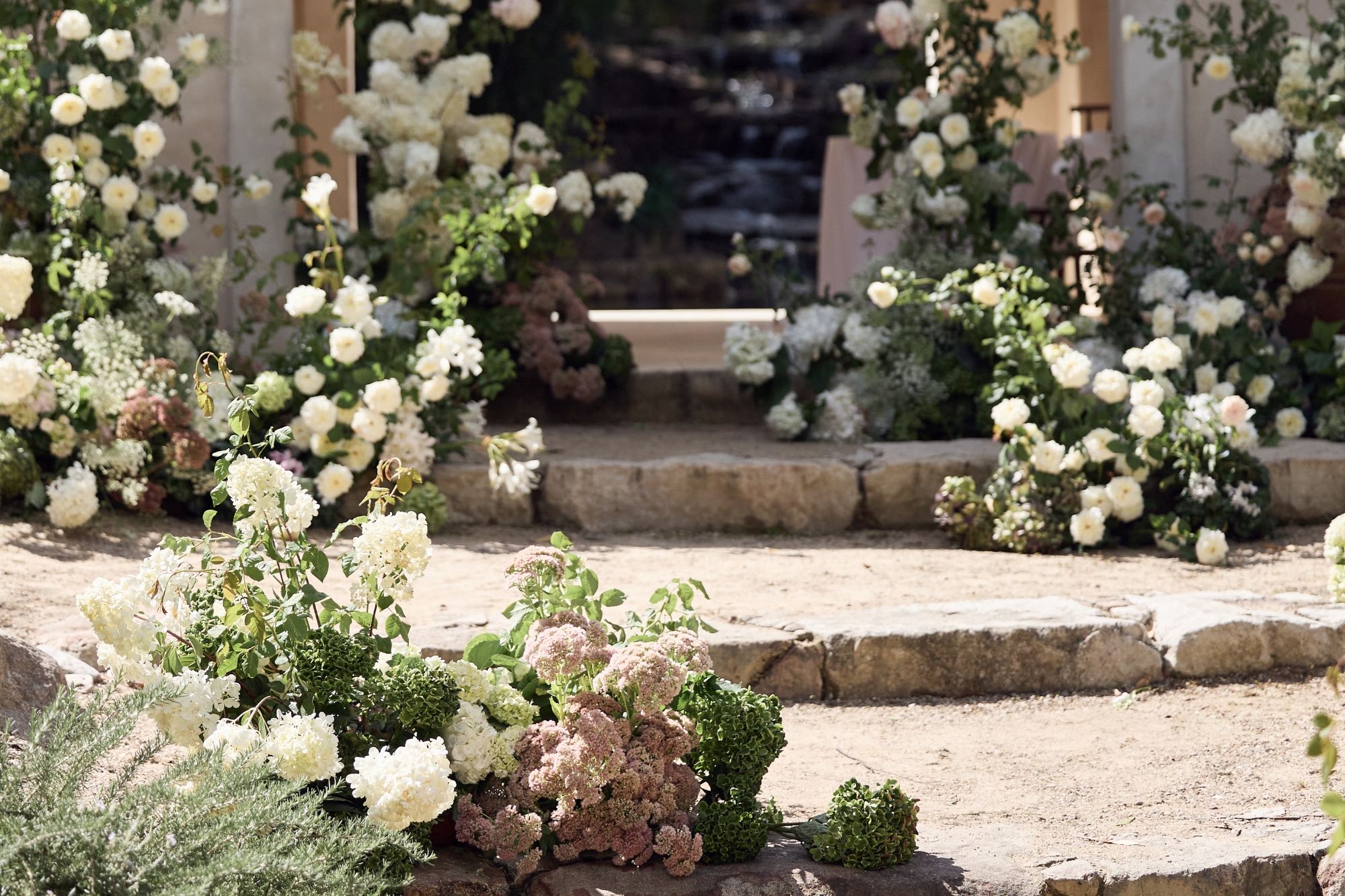
We have stepped into a new realm of fabrication. While we are known for our floral sign work, this season we are incorporating far more custom built aisles, meadows, and architectural pieces that are reflective of each individual couple.
We never repeat formulas. Every wedding is approached as its own design language. The color story, the structure, the scale, all of it is informed by who the couple is. That level of customization requires more thought, but it is creatively fulfilling and ultimately far more memorable.
8. If you were to define your 2026 floral trend predictions in three words, what would they be?
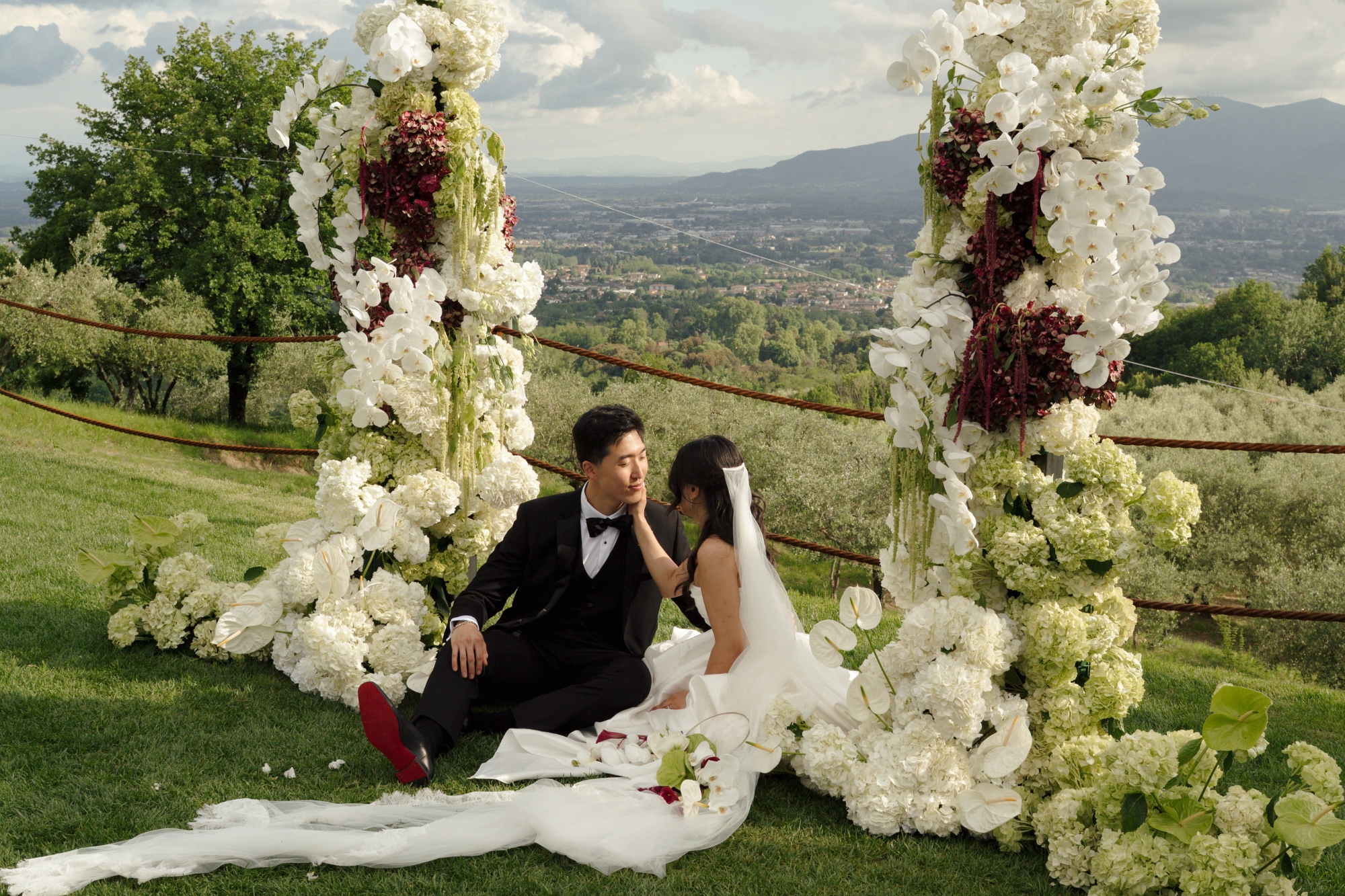
Photo credit: @capturedwithloveph
Architectural.
Expressive.
Unexpected.
As weddings move further into a new design era, floral styling is becoming less about following trends and more about creating experiences that feel considered and visually intentional. Structure, vibrant tones, and materiality are returning to the forefront, allowing florals to shape not only how a space looks, but how it feels.
For couples planning their celebrations, the takeaway is clear: trust in bold choices, embrace expressive design, and allow florals to reflect the character of the day.
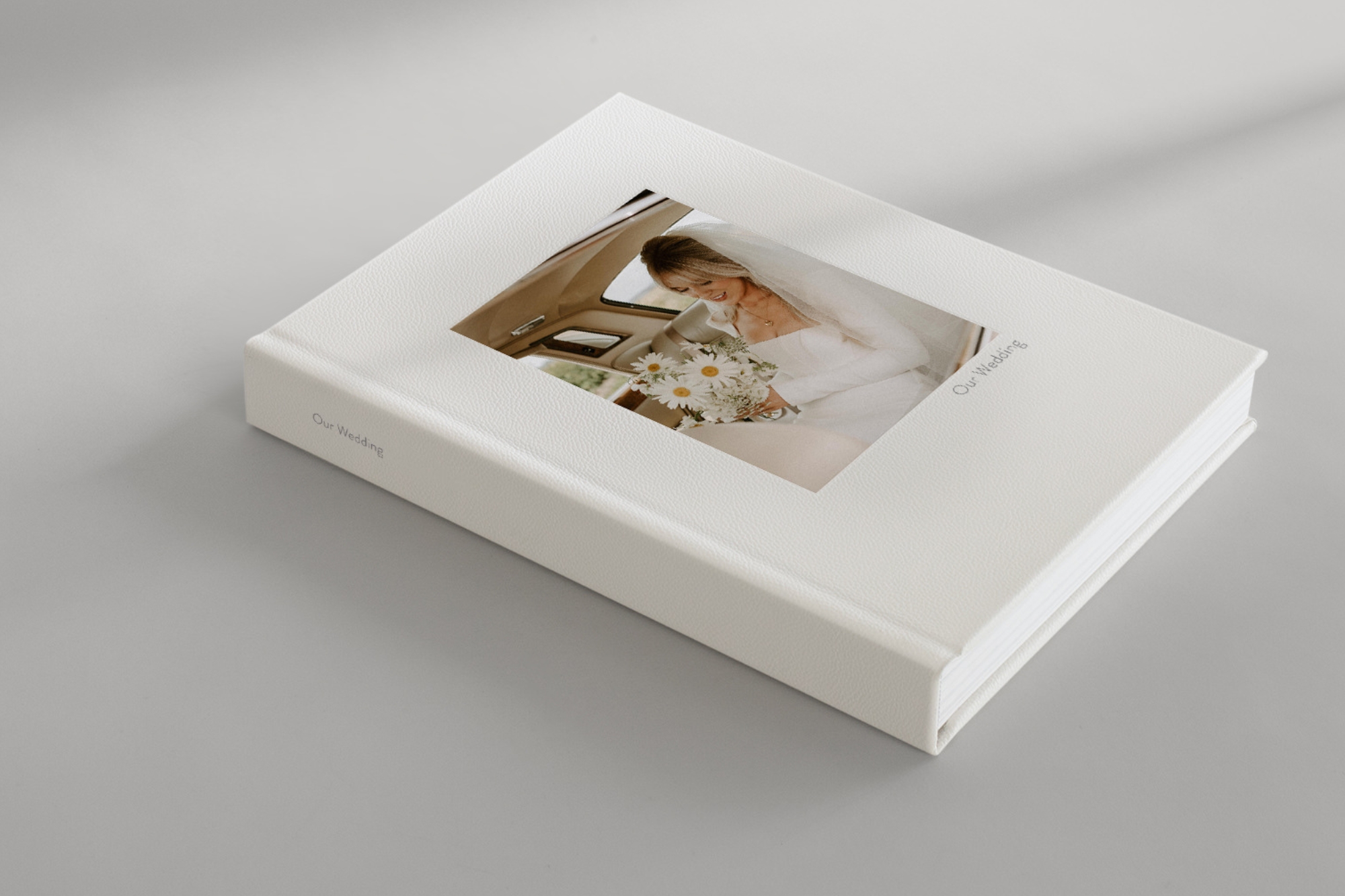
Florals often become one of the most visually defining elements within a wedding album. The structure of an arrangement, the richness of color, and the way installations interact with the surrounding space all shape how photographs capture the atmosphere of the wedding day. When thoughtfully documented, these botanical compositions help tell the visual story of the celebration, framing portraits, ceremony moments, and reception scenes with texture and movement. Preserved within a premium photo album, these details can continue to be appreciated long after the wedding day.