Turn your travels into a beautifully crafted keepsake
Travel is an experience that unfolds through moments, some big, some small. When you return home, your camera roll becomes a vast collection of these moments, gathered without structure. A thoughtfully designed album transforms scattered travel photos into a cohesive story that lives beautifully in print long after your trip ends.
Creating a travel album online is as much about what you choose to exclude as what you feature. Sequencing, in particular, is the key that allows your story to flow. This step-by-step guide takes you through the entire process of shaping your travel memories in print with clarity and intention.
How to design a travel photo album
1. Why sequencing is central to storytelling
2. Conducting a first pass edit
3. Grouping your images into story chapters
4. Sequencing within each chapter
5. Choosing layouts that support the story
6. Designing a cover
7. Using text thoughtfully
8. Reviewing with fresh eyes
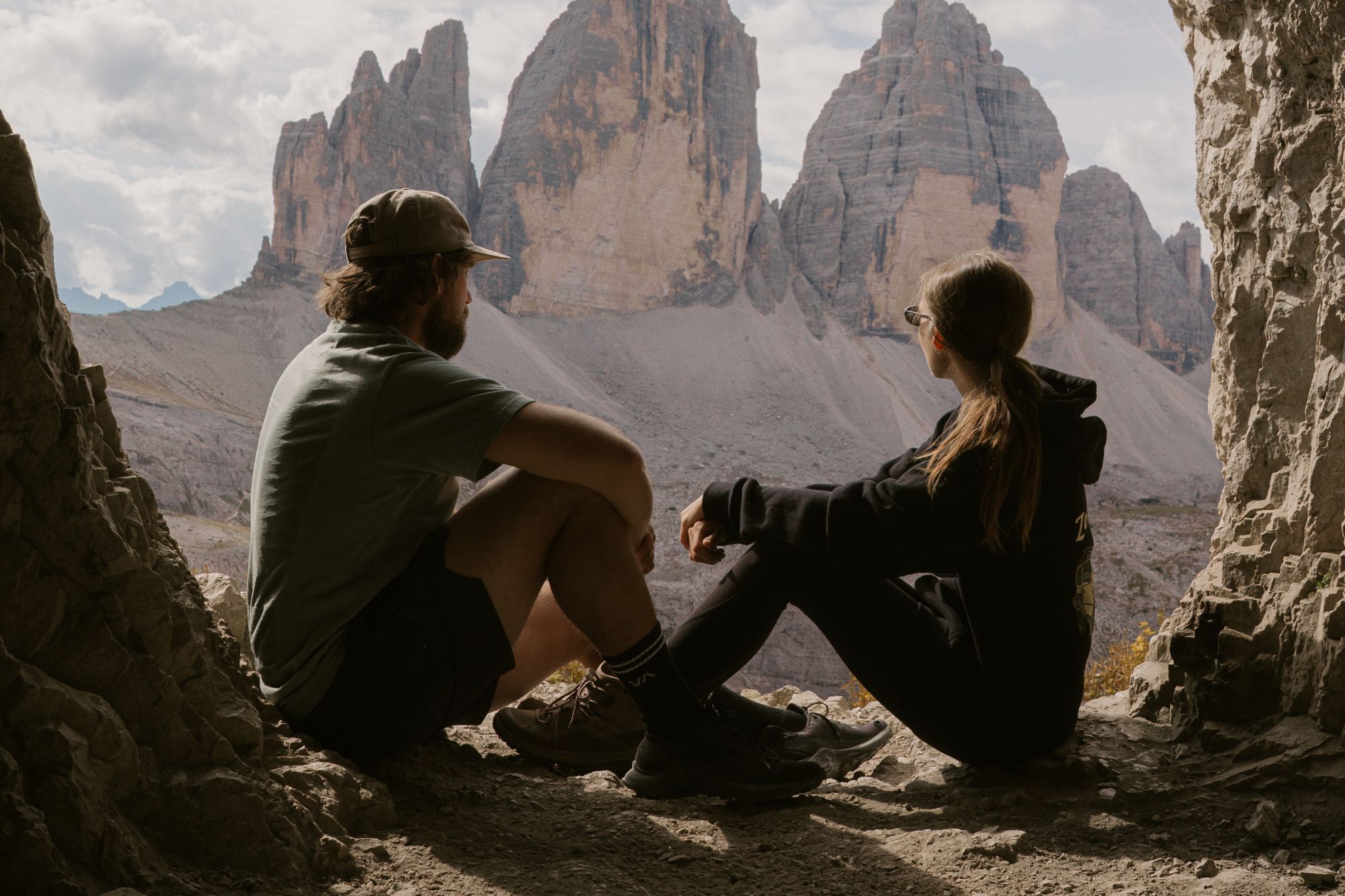
The order of your images determines how your viewer experiences the journey. Good sequencing builds momentum and creates transitions that make sense. Without a considered flow, even strong photographs can feel isolated. A thoughtful sequence guides the viewer forward, revealing the place, people, and atmosphere in a way that feels natural and immersive.
Sequencing also protects your album from visual overload. Travel generates an enormous volume of photos that often repeat the same subject or scene. A curated sequence removes excess and highlights the moments that define the spirit of the trip.

When you begin reviewing your photos, avoid overthinking. Move through your collection with a relaxed eye and select anything that feels significant. You are not deciding the final order yet. Instead, you are gathering a wider selection of your most-loved photographs.
Look for images that capture the essence of the place or moments that reveal something genuine about the experience. These could be portraits, landscapes, city scenes, or spontaneous frames that evoke emotion. This first pass is also the moment to remove anything unnecessary. Duplicates, accidental photos, and images that do not contribute to the story can be cleared away so that only the most meaningful material remains.

Before selecting individual images, it helps to understand the broader arc of your journey. Every trip has a beginning, middle, and end: the curiosity and anticipation of arriving somewhere new, the exploration and cultural encounters that shape your days, the gradual settling into a rhythm, and eventually the moment you say goodbye. Thinking in narrative chapters provides a structure to work within. Once you have a refined pool of images, begin arranging them into sections that reflect that structure. Place images from the start of your trip together, gather scenes that represent key experiences, and allow quieter daily moments their own space so they are not lost between larger events. This is a loose form of structure, but it helps you see the flow more clearly.
Through this process, you may discover imbalances. Perhaps you have many landscapes but few images of people, or you notice that you photographed a single café almost every morning because it became part of your routine. These patterns help you refine your narrative. A strong album contains a mix of scene-setting, detail, and emotion, and grouping allows you to adjust the story so each chapter feels complete and intentional.
4. Sequencing within each chapter
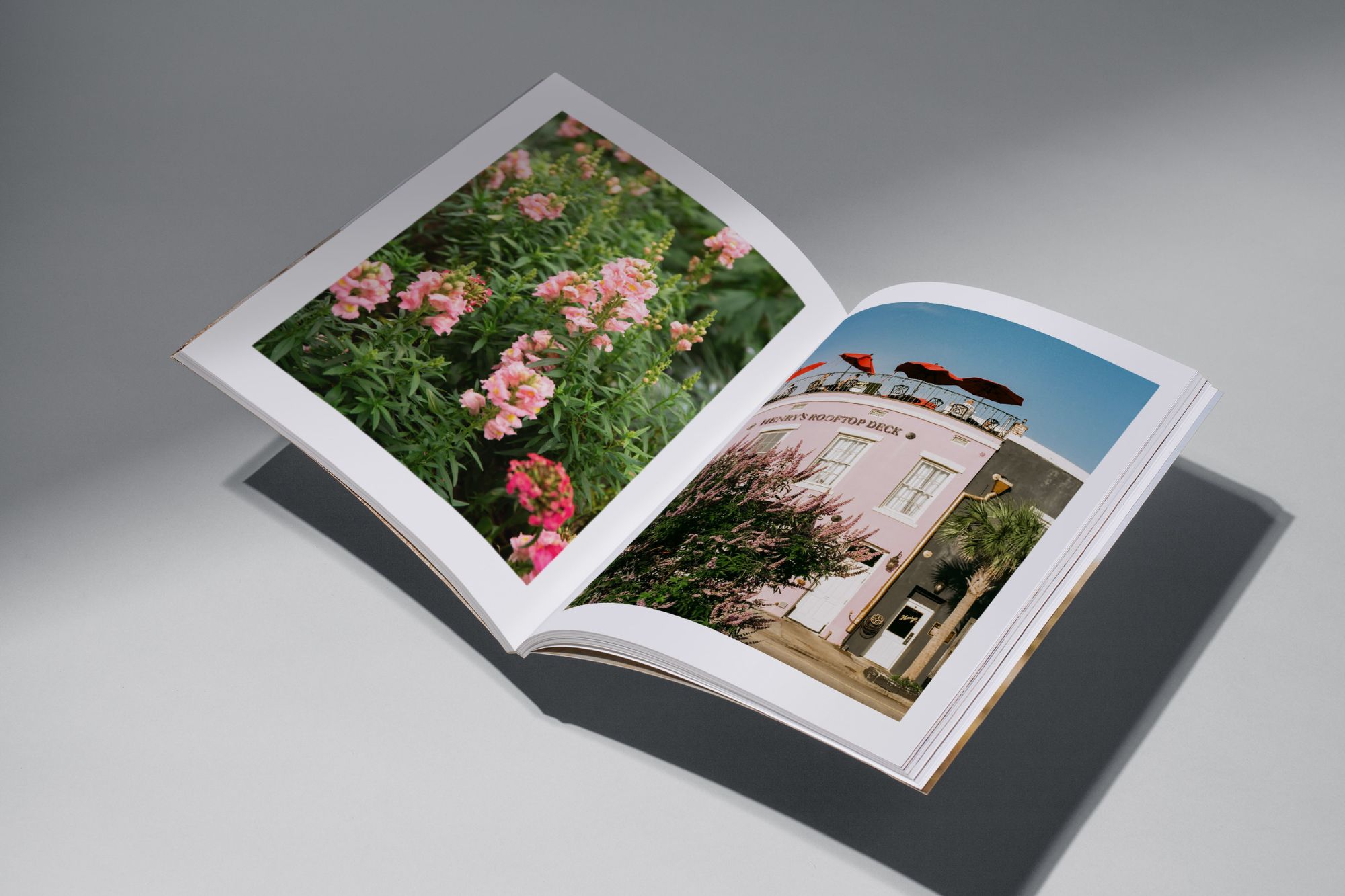
When your images sit within clear sections, you can begin shaping the sequence inside each chapter. Think about how one image leads to the next. Chronological flow works well for many trips because it mirrors how the experience naturally unfolded. It allows the viewer to move through the journey as you lived it.
Visual transitions can also guide you. Similar tones, shades, or lighting can link two very different scenes. A blue hour city street might blend seamlessly into a quiet morning by the sea because of the shared palette. These subtle transitions create a continuity in your storytelling travel photo book. Adversely, contrasting images also create a beautiful effect and sometimes have stronger impact than similarity. Moving from a calm early morning moment into a crowded scene can bring energy to your sequences.
5. Choosing layouts that support the story
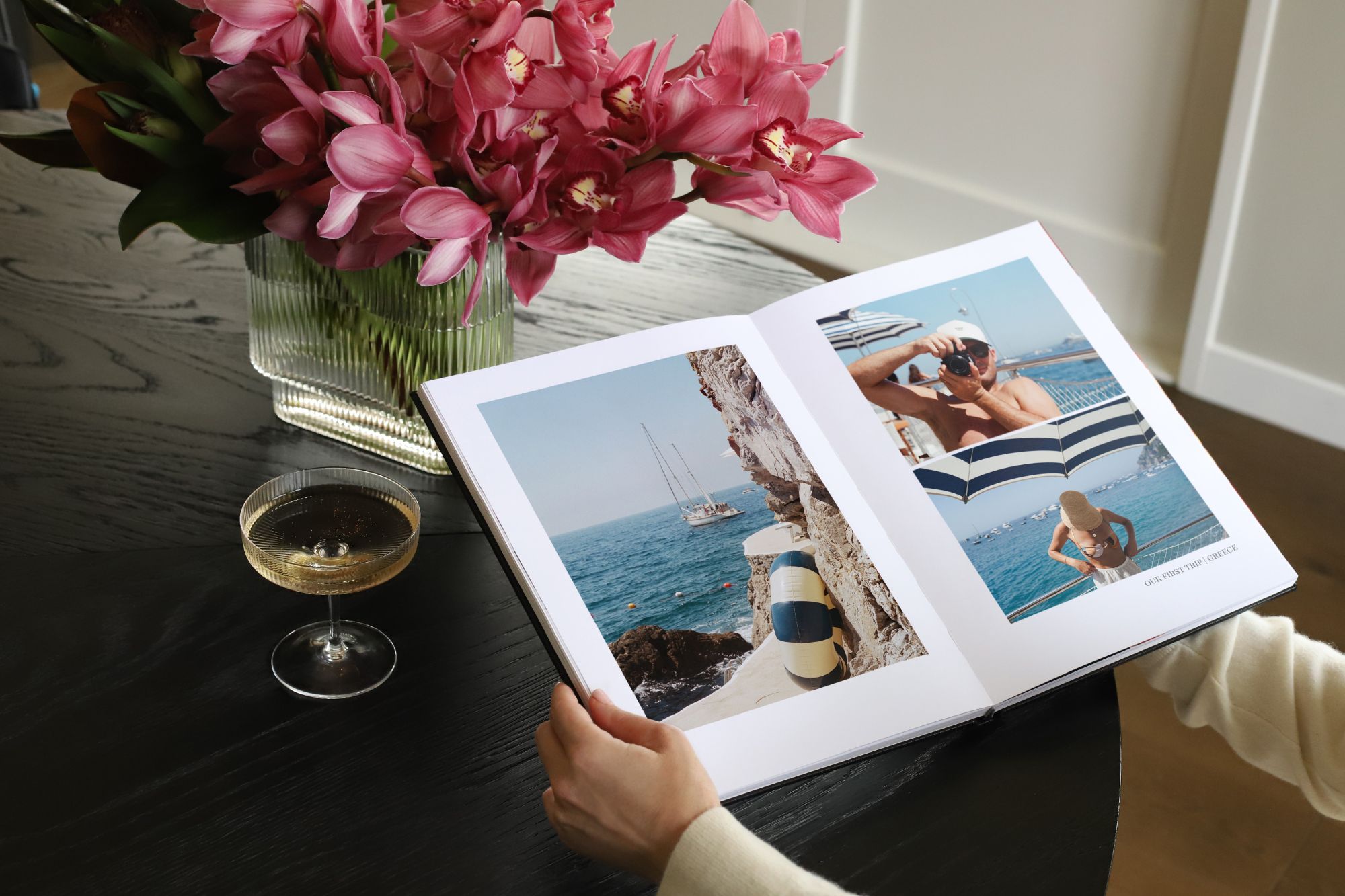
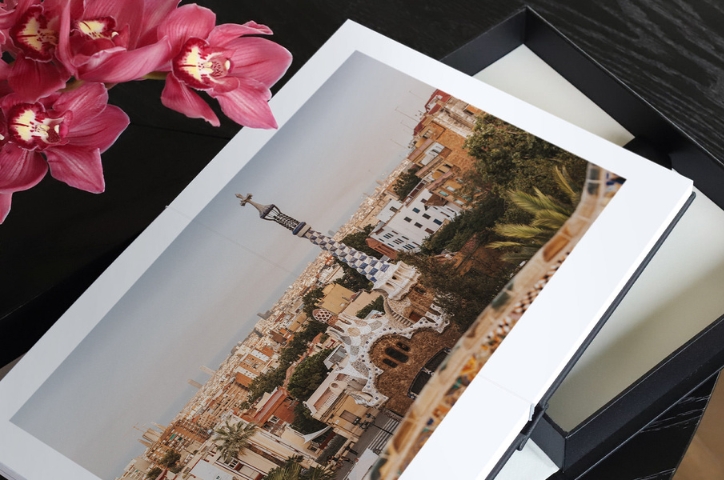
With your sequence set, start considering layouts that do your travel photos justice. The design of each page is an important part of telling your story. Our Design Studio offers a curated selection of Designer Templates to help bring your vision to life with clarity and calm.
Some images need space, while others work better when placed alongside supporting frames. Full bleed images create impact, so reserve them for the strongest moments of your story. A gorgeous view, defining landmark, or a special portrait can sit comfortably across a full page spread, but use these sparingly so they retain their impact.
Single image pages introduce moments of calm and give the viewer time to breathe. These are ideal for scenes that carry emotional clarity or strong composition. Pairs of images can help tell small stories inside the larger narrative. Two frames taken minutes apart show progression. A diptych of day and night can reveal how a place transforms over time. These partnerships add dimension to your story. Lastly, series or small collections of details can sit together in simple grid layouts. This works well for textures, food, markets, or architectural details that enrich the story without taking the focus away from your main images.
6. Choosing a cover

Your travel album cover is the first step in shaping your storytelling travel book - a visual invitation that sets expectations for the journey inside. Whether your adventures took you across continents or into your own backyard, the album cover sets the tone and invites you to revisit the journey again and again. We believe a well-designed travel album cover is as important as the memories inside. When it comes to cover designs, simplicity goes a long way, and this can often be the best option. A minimalist layout lets your photography shine while creating an elegant, timeless look. Think of crisp white space, soft neutral backgrounds, and understated fonts. You want the focus to be on your journey, not on overly busy graphics or loud hues. Many stylish photo album covers for travel follow this less-is-more philosophy. Don’t feel the need to fill every inch of the cover. Negative space or empty space gives the design room to breathe and brings focus to the elements that matter. A thoughtfully placed image with room around it can feel more powerful than a cluttered collage. Select a cover fabric that mirrors the feeling of your travel memories in print, ensuring the theme on the outside aligns seamlessly with the story your pages will tell.
7. Using text thoughtfully
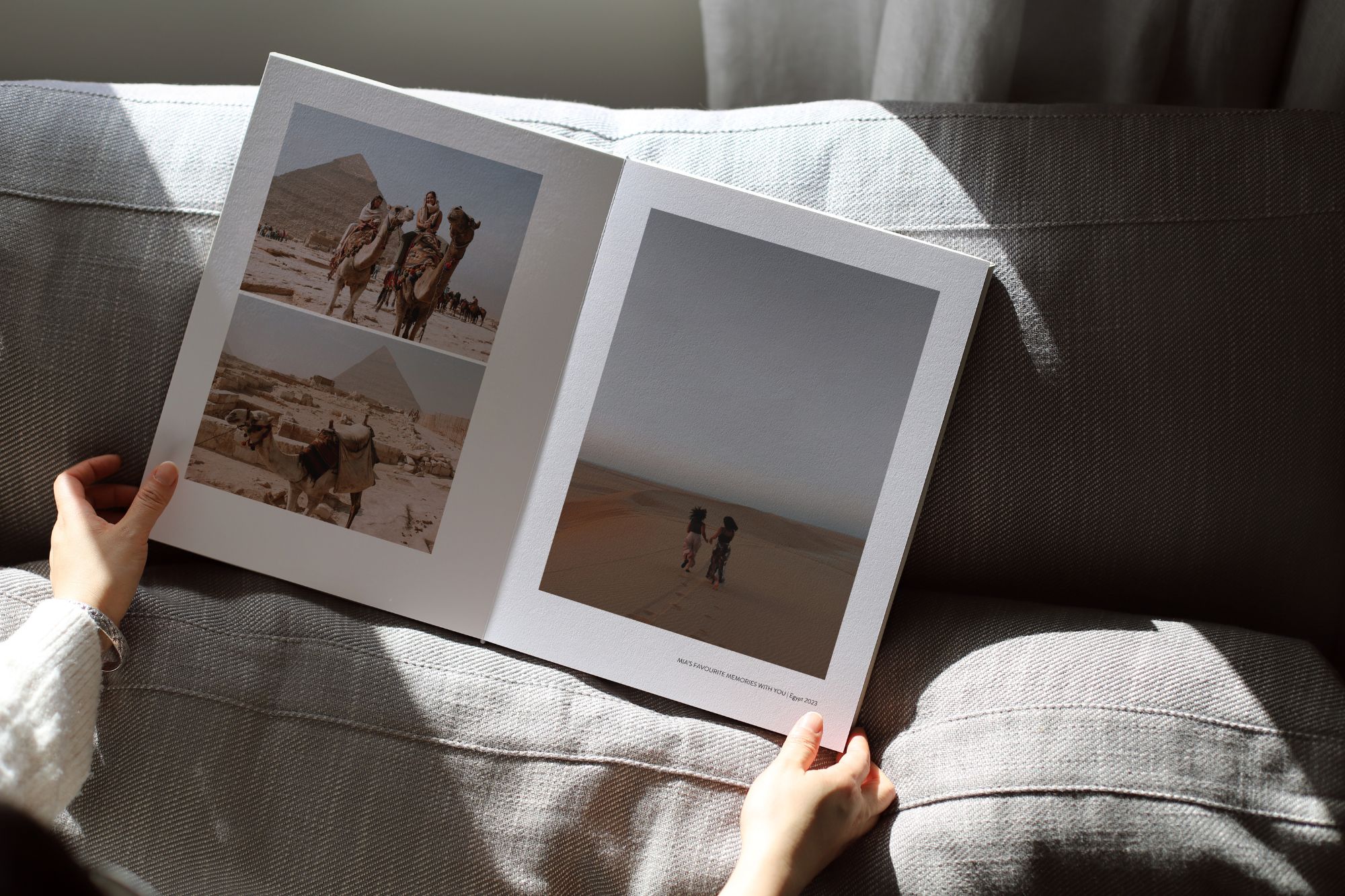
A trip photo narrative does not require heavy text. Words should support your images without overpowering them. A brief introduction can set the tone, especially for a personally meaningful trip. Use chapter titles to clarify structure, and keep captions minimal, only adding them when context is needed. You may want to end with a reflective paragraph to give the story purpose, using simple, direct language and letting your images tell the story.
8. Reviewing with fresh eyes
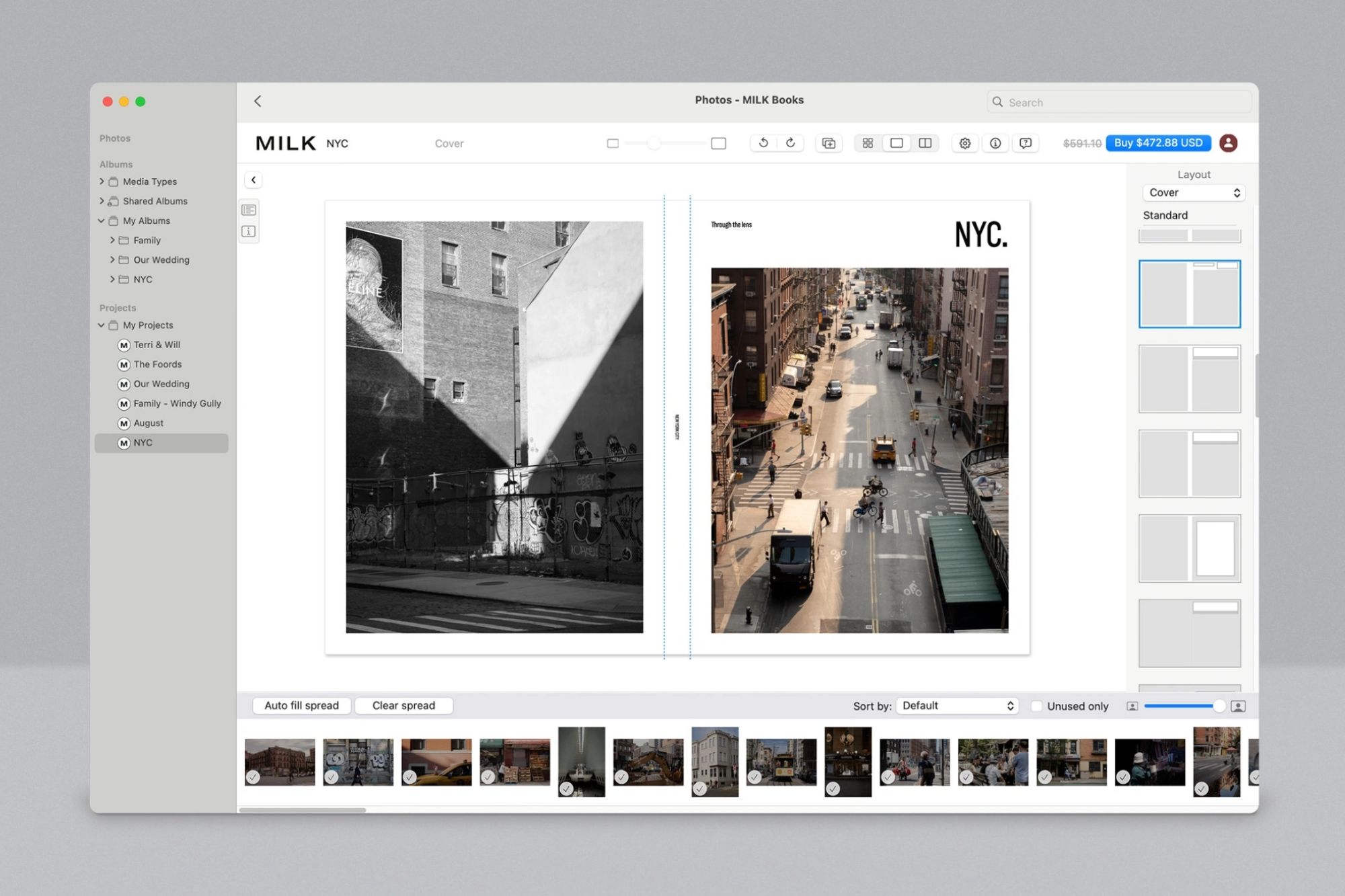
After your design feels complete, take a break from it. Distance makes it easier to see what needs refining. When you return, move through the album slowly. Consider whether the pacing feels balanced and whether the story moves with ease. Remove any image that interrupts the flow or repeats information already communicated elsewhere. Strength comes from clarity, not volume. The final album should feel cohesive and confident.
Pro tip: have a friend or family member review your book - they may notice details you’ve missed, and their fresh perspective can be invaluable.
Whether your magical moments are from a weekend getaway, family holiday or a once-in-a-lifetime adventure, capturing those stories in a beautiful Travel Photo Book or Album will let you relive them and inspire generations to come.
Choosing the right format is an important part of the storytelling process. Softcover Photo Books are lightweight and affordable, ideal for weekend getaways or casual adventures. Classic Photo Books upgrade the feel with hardcover materials and are great for vacations or family yearbooks. Premium Photo Books bring archival-quality paper, stitched binding and fabric covers, making them perfect for standout trips, coffee table keepsakes or major milestones. Moleskine Photo Books offer a sleek, journal-style format with premium materials, suited to creatives or a series of travel volumes. Premium Photo Albums use thick board pages, lay-flat binding and luxury covers, making them the choice for heirloom projects or your most significant journeys. Finally, Travel Magazines take an editorial design approach, with up to 200 pages, perfect for capturing longer or design-led adventures in a modern keepsake.